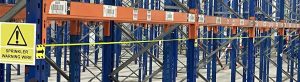
With pedestrians sharing space with forklifts, and heavy loads often stored high up, warehouses can be dangerous environments. The Health and Safety Executive (HSE) reports that over 7,000 injuries are recorded annually in the UK’s warehousing and storage sector. Understanding what the most common accidents are, what causes them, and how to prevent them is crucial to keeping your team safe.
Here’s a look at some of the most frequent accidents in warehouses and practical steps to avoid them.
1. Slips, Trips, and Falls
Slips, trips, and falls are among the most common warehouse accidents, making up 20% of all major workplace injuries in the UK. These incidents are often caused by wet floors, uneven surfaces, or obstructions in walkways.
How to avoid them:
- Ensure regular cleaning and maintenance of floors.
- Clearly mark wet or uneven areas with warning signs.
- Use anti-slip coatings on walkways.
- Maintain clear, clutter-free walkways.
Did you know? According to HSE, slips, trips, and falls are responsible for 31% of all non-fatal injuries in workplaces.
2. Falling Objects
Items falling from shelving or pallet racking systems pose a severe threat to warehouse workers. Incorrectly loaded pallets, absence of safety netting or improper stacking are common causes of this accident, leading to various crush injuries ranging from minor cuts to severe trauma.
How to avoid them:
- Use warehouse safety netting to secure goods on high shelves. This prevents items from falling in case of improper stacking or collisions.
- Train staff on proper stacking techniques and load limits.
- Regularly inspect racks for damage or weaknesses.
Did you know? Research shows that 10% of fatal workplace injuries are caused by falling objects.
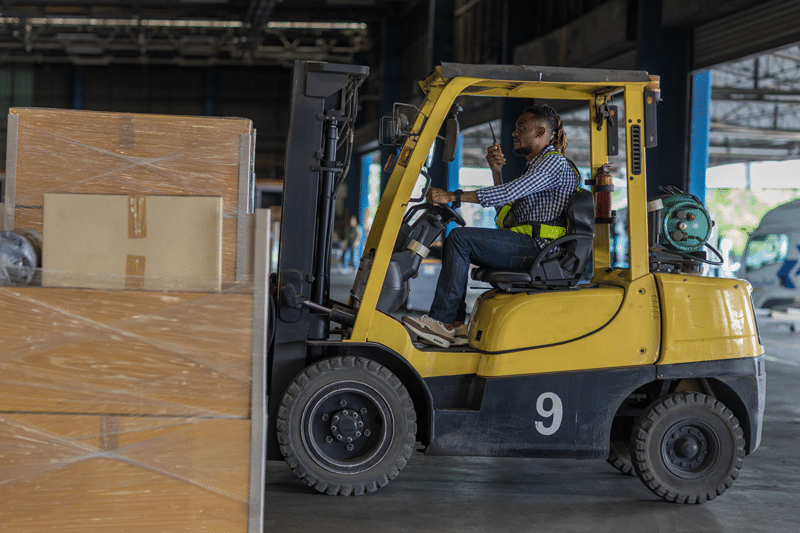
3. Forklift Accidents
Forklift trucks are essential for warehouse operations but are also a leading cause of warehouse injuries. According to the British Safety Council, approximately 1,300 employees suffer serious injuries each year due to forklift accidents. These often occur when health and safety regulations are not followed properly, such as improper operation of forklifts or pedestrian routes intersecting with forklift paths.
How to avoid them:
- Provide comprehensive forklift safety training and certification for operators.
- Implement speed limits and designate specific pedestrian zones to keep workers away from forklift areas.
- Equip forklifts with warning lights, mirrors, and sensors for added safety.
Did you know? Forklift-related incidents account for 25% of vehicle-related workplace accidents.
4. Manual Handling Injuries
Lifting, pushing, or pulling heavy loads is a regular part of warehouse work, but if done incorrectly, manual handling can lead to painful musculoskeletal disorders. These can cause chronic pain, reduced mobility, and long-term physical limitations, significantly affecting a person’s quality of life. In some cases, this can result in workers needing extended time off, and make it difficult for them to return to their job, causing financial and emotional stress.
How to avoid them:
- Provide comprehensive training on manual handling techniques.
- Supply mechanical aids, such as trolleys or conveyors, to reduce physical strain.
- Encourage employees to take regular breaks and avoid overexertion.
Did you know? HSE reports that manual handling injuries account for 30% of all workplace injuries.

5. Collisions and Struck-by Accidents
Collisions refer to two vehicles or pieces of equipment, such as forklifts and pallet jacks, crashing into each other. They are a significant risk in busy warehouses. Struck-by accidents on the other hand, refer to accidents involving workers being hit by moving vehicles, machinery, or equipment.
How to avoid them:
-
Install safety barriers to separate pedestrians from machinery. Safety barriers are a simple yet effective way to reduce warehouse injuries.
-
Ensure that all employees wear high-visibility clothing.
- Conduct regular vehicle maintenance checks to ensure brakes and warning systems are functioning correctly.
Did you know? The HSE reports that vehicle collisions contribute to 14% of all workplace fatalities.
6. Racking Collapses
Racking collapses often occur due to overloaded shelves, poor-quality equipment, or collisions with forklifts. When these collapses happen, they can not only render stock unusable for the business, but also pose a risk of serious injury to workers.
How to avoid them:
- Conduct regular inspections of pallet racking systems for damage or wear.
- Implement weight limits and ensure all employees are aware of these restrictions through the use of load notice signs.
- Use rack protection systems to minimise damage from forklift collisions.
Did you know? The National Institute for Occupational Safety and Health suggests that up to 80% of racking-related incidents could have been prevented through regular inspection.
7. Contact with Hazardous Materials
Warehouses often store and handle hazardous materials, including chemicals, cleaning agents, and flammable substances. Improper handling or accidental spills can lead to serious injuries or long-term health issues.
How to avoid them:
-
Proper storage: Store hazardous substances in designated, well-ventilated areas away from incompatible substances.
-
Training: Ensure all employees are trained in handling hazardous materials and emergency procedures.
-
Personal protective equipment (PPE): Provide appropriate PPE, such as gloves, goggles, and respirators, and ensure they are used correctly.
-
Regular inspections: Conduct routine checks for leaks, spills, and proper labeling to maintain a safe environment.
By implementing these safety measures, warehouses can significantly reduce the risks associated with hazardous materials and ensure a safer workplace for all employees.
Did you know? Approximately 1.7 million workers reported suffering from work-related illnesses in 2023/24, many of which are linked to hazardous substances.
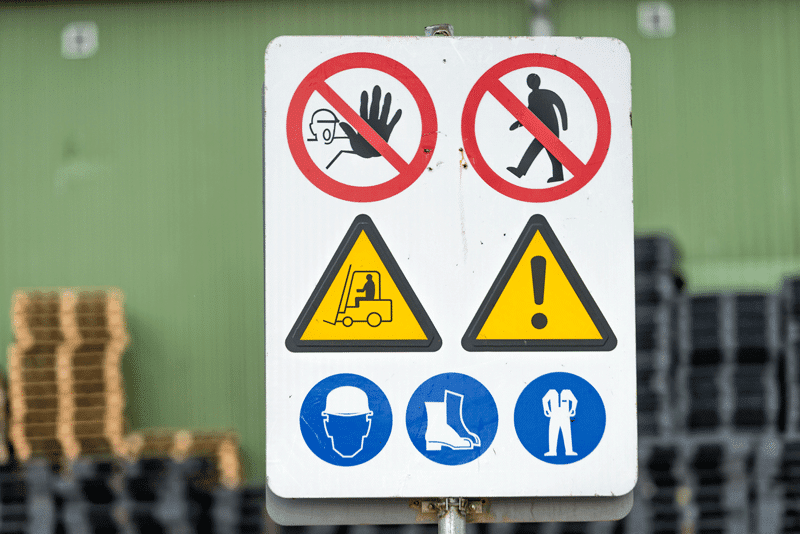
Now that you’re equipped with knowledge on the most frequent warehouse accidents, the ball is in your court. Make safety a priority in your warehouse: conduct regular training sessions, invest in safety equipment like barriers and warehouse netting, encourage open conversations about safety in your warehouse, and ensure your team is actively engaged in maintaining a safe workspace.