Warehouse safety is paramount, and one often overlooked measure that can make a significant difference is debris netting. While it may seem like a simple solution, debris netting can save lives, avoid serious accidents, and save you money by protecting inventory.
This blog post will explore the importance of debris netting in warehouses, how it works, and why every facility should consider incorporating it into their safety protocols.
What Is Debris Netting and Why Is It Important?
Debris netting is designed to catch small to medium-sized objects that might fall from roofs, ceilings, or shelving in a warehouse. It acts as a barrier, stopping these items from falling into areas where people are working or where machinery operates.
Common falling materials include things like paint flakes, insulation, loose packaging, or even small parts of masonry. While safety barriers on pallet racking are great for stopping large items from falling, debris netting focuses on catching smaller, potentially dangerous debris. It serves as an extra layer of protection, preventing accidents and ensuring your workspace stays safe.
Falling objects in warehouses pose a serious risk. The Health and Safety Executive (HSE) reports that more than 11,000 injuries related to falling objects are recorded each year in the UK. These incidents can vary from minor injuries to severe accidents, and in some cases, even fatalities. Over the past five years alone, approximately 100 warehouse-related fatalities have been linked to falling objects.
The financial impact of falling stock can also be substantial. The Chartered Institute of Building (CIOB) estimates that businesses in the UK lose approximately £80 million annually due to damage from falling objects. This includes costs associated with damaged goods, which can lead to lost sales and increased insurance premiums.
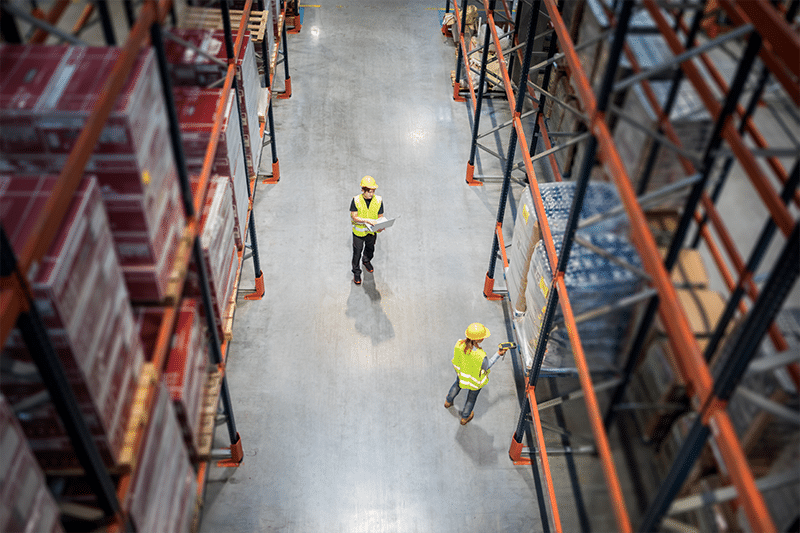
Where Can You Install Debris Netting in a Warehouse?
Debris netting is specifically designed to catch small and lightweight items, and is most effective when installed directly underneath the area where materials may become dislodged. It is suitable in the following warehouse locations:
Roof and ceiling areas: In warehouses with older roofs, insulation or ceiling tiles may loosen over time. Installing debris netting directly beneath these areas helps catch small debris before it reaches workers or equipment.
Mezzanine levels: While heavier items are usually secured, small objects can still come loose from mezzanine floors. Debris netting, installed directly below, can help contain them.
However, debris netting is not suitable for use above walkways or for preventing stock from falling from racks:
Above walkways: Due to the need for the net to stretch to absorb impact, placing it directly above walkways can be dangerous.
Tall shelving and racking: For these areas, vertical rack netting is a more appropriate solution to stop stock from falling, as debris netting is not designed to handle heavy items.
Horizontal vs. Vertical Netting: what is the difference?
How debris netting is installed matters. Depending on your needs, it can be set up either horizontally or vertically.
- Horizontal netting is ideal for catching lightweight items such as insulation or paint flakes. It works best when placed close to the source of the debris, typically near the ceiling. This prevents objects from falling for too long, which makes them easier to catch as gravity increases their speed and the force of their impact the longer they fall. Horizontal netting is not suitable for heavier objects. Items as light as 10kgs falling from height can generate force that exceeds netting capacity. It’s important to carefully assess whether horizontal netting is adequate, particularly above walkways.
- Vertical netting is better for catching heavier items like stock boxes. It directs and controls the fall of objects as opposed to trying to stop it, making it safer for both people and equipment. This type of netting is often used around pallet racking or installed on the sides of buildings to stop items from falling out.

What to Consider Before Installing Debris Netting
We’ve just touched on the importance of considering the size, weight and fall distance of an item when choosing the right type of netting. Here’s everything you need to take into account in order to ensure your system will be effective:
- Item size and weight: The netting you choose should be strong enough to handle the size and weight of the items it needs to catch. Heavier items will need stronger netting with more give to absorb the impact.
- Fall distance: How far an item will fall before hitting the netting is important. The further it falls, the more energy it builds up, so the netting needs to be able to stretch and absorb that force without breaking.
- Attachment points: Make sure that the places where the netting is attached are strong enough to handle the weight and energy of falling items. Weak attachment points can lead to netting failures, putting your workers and equipment at risk.
- Dynamic loads: It’s important to remember that the weight of a falling item is different from its static weight. A 50-kilogram item falling from a height will put much more force on the netting than if it were just placed gently onto it. You’ll need to factor in this extra energy when choosing your netting.
The Importance of Maintenance
Debris netting is designed to be extremely durable and require minimal maintenance. However, regular inspections are still advisable to ensure it’s intact and working effectively.
We recommend reviewing your existing netting installation to accommodate any changes such as new shelving systems or changes in stored goods.
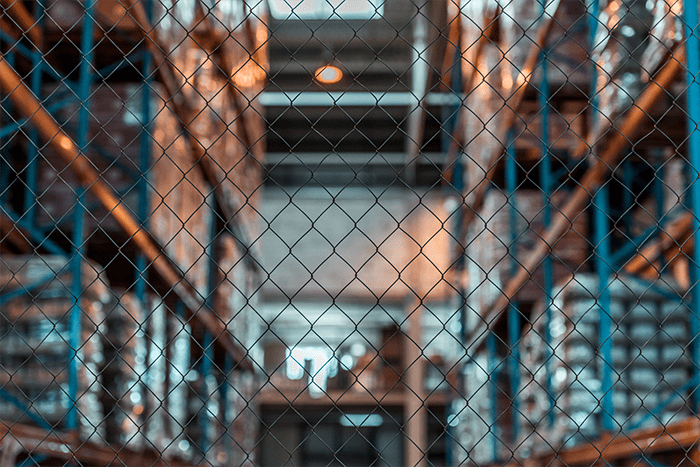
Debris netting is an essential safety feature for any warehouse. It helps prevent items from falling and causing harm. Whether it’s installed horizontally under roofs or ceilings, or vertically around pallet racking, debris netting adds an extra layer of protection for your workers and your equipment.
When considering debris netting, make sure you assess the size and weight of falling items, how far they could fall, and whether your attachment points are strong enough. Doing so ensures the netting is up to the task of keeping your warehouse safe.
At ELAN Europe, we offer a range of debris netting solutions tailored to your warehouse needs. To learn more about how we can help, check out our debris netting services or contact us for more information.