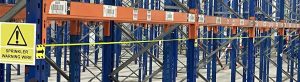
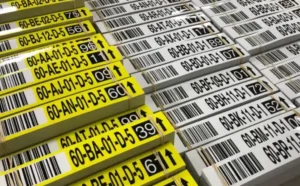
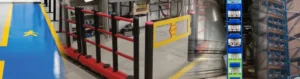
Running a warehouse comes with plenty of challenges, but keeping workers safe should be at the forefront of every operation. Protecting staff, preventing downtime and ensuring everything runs smoothly all rely on strong workplace safety measures. Following and complying with Health & Safety (H&S) regulations is the best way to ensure that these measures are robust enough, and to prevent accidents before they happen.
HSE 2022/23 figures reveal that the biggest causes of fatal workplace accidents are falls from height, being struck by a moving or falling object, and being hit by a moving vehicle. Together, these account for around two-thirds of all workplace fatalities. In transportation and storage, the fatal injury rate is twice as high as the all-industry average: a stark reminder of the risks warehouses face daily.
The good news? The right safety measures, such as clear signage, warehouse safety netting and impact protection, can drastically reduce these risks. Let’s look at three essential solutions that help create a safer warehouse environment.
1. Safety Signage for Clear Communication
Clear and visible safety signage is one of the simplest yet most effective ways to prevent accidents. It instantly communicates risks, providing essential instructions, warnings, and guidance for staff and visitors alike.
Warning signs alert workers to hazards like high-voltage areas, slippery floors, or forklift traffic, while mandatory signs ensure safety precautions are followed, such as wearing PPE or using handrails. Prohibition signs mark restricted zones or actions, such as ‘No Entry’ areas or ‘No Smoking’ rules, and emergency signs direct people to fire exits, first aid stations, and extinguishers, which are crucial to be able to respond adequately in an urgent situation.
To do their job properly, signs need to be positioned where they’re easily seen: at eye level and in well-lit areas. They also need to be made from durable materials, such as UV-resistant or waterproof finishes, to withstand the demands of warehouse environments.
Regular checks are key: faded or damaged signs should be replaced immediately to keep safety information clear and accessible. And of course, all signage must comply with UK regulations, including the Health and Safety (Safety Signs and Signals) Regulations.
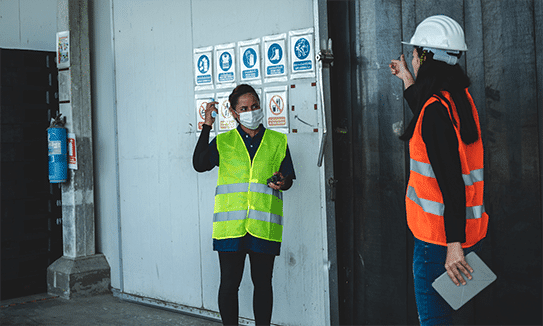
2. Safety Netting to Prevent Falling Objects
Warehouses rely on racking systems for efficient storage, but without proper precautions, these can become a major hazard. Safety netting offers a simple yet highly effective way to prevent falling objects and keep operations running smoothly.
Back-of-rack netting, for example, is a type of safety netting that is designed to stop goods from falling off the racks and into walkways, reducing both injury risks and stock loss. It’s more robust than steel mesh, adapts easily to different rack layouts, and doesn’t require heavy tools or cutting, making it a practical and flexible solution. Regular inspections ensure that any wear and tear is spotted early, so the netting remains securely in place.
For elevated areas, mezzanine and handrail netting provide essential protection. Installed around raised platforms, walkways, and storage spaces, they prevent tools, materials, or even workers from falling. Designed to fit a range of environments, they can be customised to suit different layouts.
Debris netting is installed below ceilings to catch smaller, lightweight items (like flaking paint, insulation, or ceiling tiles) that may detach and fall. Commonly used in industrial and construction environments, it prevents disruptions, protects machinery and workers, and even reduces maintenance costs. Made from durable materials such as polypropylene, it requires little upkeep and is an affordable way to keep workspaces safe and clean.
Whether it’s protecting elevated areas, securing items on high-bay racking, or catching falling debris, investing in safety netting will lead to a safer, more efficient warehouse.

3. Bumpers and Barriers to Protect Staff and Infrastructure
In a busy warehouse, forklifts and other free-moving vehicles pose one of the biggest risks. In fact, forklifts are the most hazardous type of workplace transport, causing more serious workplace injuries each year than any other vehicle, including HGVs. That’s why bumpers and barriers play a critical role in protecting staff and infrastructure, preventing costly collisions before they happen.
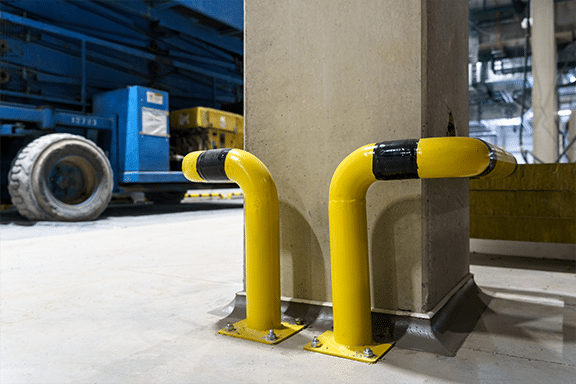
Corner guards and rack-end barriers help shield racking edges from impact, absorbing the force of collisions and lowering the risk of collapse. Bollards create a physical barrier to stop vehicles from accidentally entering restricted areas. Pedestrian barriers keep foot traffic separate from vehicle routes, providing safer walkways and reducing the likelihood of accidents.
Regular inspections are essential to make sure that barriers remain in good condition, and any damaged ones should be replaced immediately. Staying compliant with Health & Safety Executive (HSE) guidelines on workplace transport safety is a crucial step towards maintaining a safe working environment.
Investing in the right safety measures is integral to protecting staff and maintaining compliance with H&S regulations. Clear safety signage ensures that everyone is aware of potential hazards, warehouse safety netting prevents dangerous falling objects, and bumpers and barriers provide crucial impact protection. By implementing these measures, businesses can create a safer, more efficient working environment while minimising risks and liabilities.
For further guidance on compliance and best practices, you can consult the Health and Safety Executive website which features a useful template for workplace transport site inspections to help businesses address safety concerns.
If you want more tailored advice, you can also turn to us. We provide a full Safety Assessment and Inspection service, including rack inspection, report writing, rectification proposals, source & supply of products. Send us a message today to enquire.